
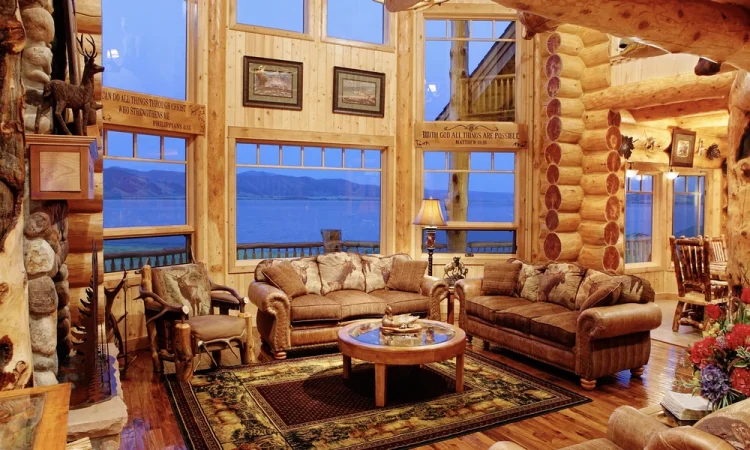
There is a particular smell that greets people who open a Highland Lakes weekend home after a long stretch away. It is faint at first, a little sweet and a little damp, and it lives in the curtains and the couch cushions. Most owners blame the lake. The lake plays a part, but the real story usually starts with how the heating and cooling system was left when the last car pulled out of the driveway.
Homes around Lake LBJ, Inks Lake and Lake Marble Falls ask more of their equipment than a typical city house, partly because so many of them spend weeks with nobody inside. Owners who want a local set of eyes on that equipment often turn to Clendennen Services, a Marble Falls heating and air company whose NATE certified technicians work through Horseshoe Bay, Kingsland, Buchanan Dam, Spicewood and Llano, with free second opinions and after hours service on offer. With or without help, understanding what happens inside an empty house is the first step toward walking into a fresh one.
The Slow Trouble That Builds Behind a Locked Door
Central Texas air near open water carries a lot of moisture from late spring well into fall. An air conditioner does two jobs at once. It cools, and while it cools it pulls water out of the air and sends it down the condensate line. Switch the system off for three weeks in August and that second job stops entirely.
Indoor humidity then climbs past 60 percent, roughly the point where mold and dust mites begin to thrive. Wood floors cup, cabinet doors stick, and the musty smell settles into anything soft. Heat matters too, though less than people assume. A closed house in Burnet County can pass 95 degrees inside during summer, which is hard on electronics, candles, wine and anything held together with glue. Still, heat alone rarely ruins a home. Moisture does.
Setting the Thermostat for the House, Not the People
The instinct to save money by shutting everything off backfires more often than it pays. A better approach is letting the system idle at a temperature that protects the structure. Many technicians suggest somewhere between 80 and 85 degrees for summer absences, low enough that the compressor still cycles and dries the air. If the system can read humidity, a dehumidify target around 50 to 55 percent gives it a reason to run even on mild days.
Equipment size plays into this. An oversized unit cools a house quickly and shuts off before it has wrung much water out of the air, a pattern called short cycling. Homes with that problem stay clammy no matter where the thermostat sits, and a whole home dehumidifier tied into the ductwork is often the fix that finally works.
Smart thermostats earn their keep in second homes more than anywhere else. Checking indoor conditions from Austin or Houston, getting an alert when the house drifts too warm, and precooling the rooms on a Thursday evening turns guesswork into routine. For homes rented out around Horseshoe Bay, the same thermostats can cap how low guests set the cooling, sparing the compressor a weekend of running flat out.
Small Spots That Fail When No One Is Watching
A system running unattended has to survive minor failures with nobody around to catch them. These show up most often in lake homes.
- The condensate drain line. Algae grows inside it during humid months, and a blocked line on an attic air handler can overflow into the ceiling below. A float safety switch shuts the system down before water spills, and a cup of white vinegar poured into the line before leaving keeps growth in check.
- The air filter. A closed house with the system running still pulls dust through the return. Starting every absence with a fresh filter keeps airflow steady and the coil cleaner.
- The outdoor condenser. Fire ants are drawn to warm electrical contacts and can pack a contactor until it fails. Grass clippings, cedar debris and cottonwood fluff clog the coil fins. About two feet of clear space around the unit goes a long way.
- Power interruptions. Storms knock out lines across the Hill Country, and some thermostats come back with changed settings. A surge protector at the outdoor unit and a remote check after any storm save a lot of grief.
None of these is dramatic on its own. Left alone for a month, any one of them can be.
When Cold Fronts Roll Across the Lakes
Hill Country winters are short and usually mild, which is exactly why they catch people off guard. A blue norther can drop temperatures twenty or thirty degrees in an afternoon, and hard freezes still reach Llano and Burnet counties most years.
Many lake homes heat with heat pumps, which work well into the twenties but lean on electric backup strips when it gets colder. That backup is costly, so a winter setting around 55 degrees protects pipes without burning through power. Homes farther from town often run a propane furnace instead, and those owners carry two extra jobs. One is checking tank levels before a long absence. The other is keeping working carbon monoxide alarms on every floor, since a cracked heat exchanger or blocked flue in an empty house can go unnoticed until the next arrival. Some owners pair a heat pump with a propane furnace in a dual fuel setup, letting the system choose whichever is cheaper on a given night.
Fall is the sensible window for a heating checkup, while the weather is still kind and before the first cold snap fills every technician’s calendar.
Guest Houses, Boathouse Lofts and Rooms That Live Part Time
Property near the water tends to sprawl. There is the main house, then a casita for visiting family, a loft above the boathouse, maybe a workshop. Running ductwork from the main system to these spaces rarely makes sense, and cooling them full time wastes money.
Ductless mini splits suit these rooms well. Each indoor head serves one space, can sit off most of the year, and can be switched on from a phone an hour before guests pull in. A multi zone outdoor unit can feed several heads, so a boathouse loft and a guest suite share one condenser while keeping separate controls. These heads also dehumidify, which matters in a room sitting a few feet above the lake.
Walking Back In Without Shocking the System
The first ten minutes back set the tone for the weekend. Dropping the thermostat from 85 to 68 does not cool the house faster. It only keeps the system running longer and can freeze the coil if airflow is weak. Stepping the temperature down a few degrees at a time lets the equipment catch up on both heat and moisture.
A short walk around helps too. Look at the ceiling below the air handler, peek at the drain pan if it is reachable, check the outdoor unit for debris or ant mounds, and notice any musty or sharp odor. Rattling, buzzing or ice on the copper lines are reasons to call for service before the weekend fills up rather than after.
A lake house is supposed to be the easy place. With the system set to protect the home instead of sitting dark, a few inexpensive safeguards in place and a seasonal tune up on the calendar, the front door can open to the same fresh air every single time.