Do Mobile Homes in Austin, Texas Have Enough Electrical Capacity? Upgrades Park Managers Should Consider for Modern Residents

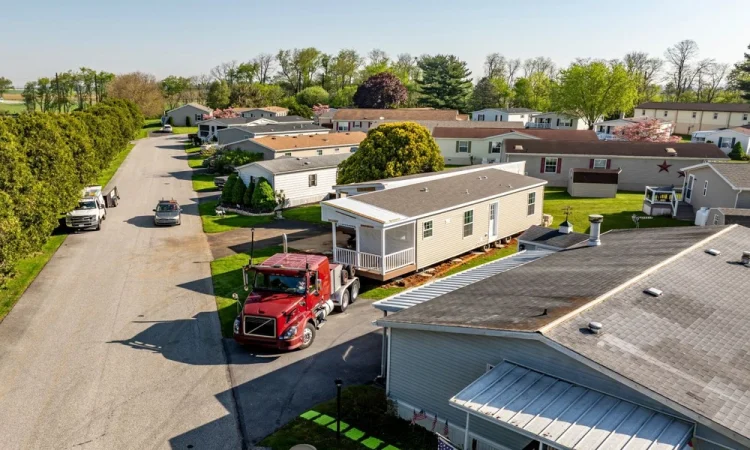
The electrical demands inside today’s manufactured homes are very different from what they were a few decades ago. A mobile home that once had enough electrical capacity for basic lighting, a refrigerator, a television, and a few household appliances may now be expected to handle multiple air-conditioning systems, computers, large-screen televisions, kitchen appliances, smart-home devices, electric vehicles, and other modern equipment.
For mobile home park managers in Austin, Texas, that change creates an important question: Does each home have enough electrical capacity for the way residents live today?
In some cases, the answer may be no.
That does not necessarily mean every home needs a complete electrical overhaul. Sometimes the solution is as simple as adding a properly sized dedicated circuit. In other situations, an older panel, deteriorating service equipment, undersized wiring, or limitations at the connection serving the manufactured home may require more substantial work.
Taking a proactive approach can help park managers address these issues before a resident is dealing with repeated breaker trips, overheated electrical components, or an inability to safely add an appliance they need.
Modern Residents Put More Demands on Their Electrical Systems
Think about how many electrical devices a typical household uses now.
A resident might have a refrigerator, microwave, dishwasher, electric range, washing machine, dryer, television, gaming system, computers, printers, chargers, smart speakers, security cameras, Wi-Fi equipment, and several smaller appliances. During an Austin summer, air conditioning can become one of the largest electrical loads in the home.
Then there are newer demands that were uncommon years ago.
A resident may work from home and need multiple monitors, a desktop computer, networking equipment, and other electronics running for eight or more hours a day. Someone else may want to install a mini-split system in an addition or bedroom. Another resident may purchase an electric vehicle and ask about charging at home.
Individually, many of these additions may seem manageable. The concern arises when several substantial loads are placed on an electrical system that was never designed for them.
This is why park managers should look beyond whether the lights and outlets currently work. An electrical system can appear functional while still having limited capacity for future demands.
Older Panels and Service Equipment Can Become a Limitation
Manufactured homes and mobile homes in established parks can have electrical equipment that has been in service for many years. Age alone does not automatically mean an electrical panel is unsafe or inadequate, but older equipment deserves closer evaluation when residents begin adding modern electrical loads.
An older panel may have limited spaces for additional breakers. More importantly, the panel’s overall rating and the electrical service supplying the home have to be considered.
It is easy to look at an electrical panel and think, “There are several open spaces, so we can just add another breaker.” That is not necessarily the case.
The number of available breaker spaces does not tell you how much electrical capacity the home actually has. A qualified electrician needs to evaluate the service rating, existing loads, wiring, panel condition, and proposed new equipment.
The same applies to service equipment outside the home. Connections, disconnects, feeders, pedestals, meters, and other components may need to be inspected as part of the overall picture.
For park managers, this broader evaluation is particularly useful because electrical problems may not originate inside the manufactured home itself.
Adding Circuits for Window and Mini-Split AC Systems
Austin’s hot summers make air conditioning more than a luxury. For many residents, reliable cooling is essential.
When a resident adds a window air conditioner or mini-split system, however, the electrical requirements need to be considered carefully.
A window unit might be plugged into an existing receptacle, but that does not automatically mean the circuit is appropriate for continuous operation of the equipment. Depending on the equipment and installation, a dedicated circuit may be the better solution.
Mini-split systems can have their own electrical requirements and may need a properly sized circuit and disconnect. Installing one without considering the existing electrical service can create problems elsewhere in the home.
If several residents in the same park are adding supplemental cooling systems, the issue becomes even more important from a management perspective. What works for one home does not necessarily mean the electrical infrastructure throughout the park is prepared for widespread additional loads.
A licensed electrician can evaluate the individual home and determine whether the existing electrical system can accommodate the proposed equipment.
Electric Vehicles Are Creating a New Electrical Demand
Electric vehicles are another example of a load that many older mobile home communities were never designed around.
A resident who purchases an EV may want to charge it at home rather than rely entirely on public charging stations. Standard household receptacles can sometimes be used for slower charging, but residents should not assume that any existing outlet is automatically appropriate for regular EV charging.
Dedicated EV charging equipment can create a significant continuous electrical load. The circuit, breaker, wiring, connections, and available service capacity all need to be considered.
For a park manager, an EV charging request can actually be an opportunity to identify electrical limitations before they become a larger problem.
Instead of simply asking where the charger can be plugged in, the better question is whether the home’s electrical system can safely support the charging equipment.
If multiple residents eventually make similar requests, park managers may also want to consider whether the park’s electrical infrastructure will need a broader strategy for accommodating EV charging.
Home Offices and New Appliances Add Up
Working from home has also changed what residents expect from their electrical systems.
A home office might include a computer, two or three monitors, a printer, desk lighting, speakers, networking equipment, and chargers. While these loads may not individually be enormous, the equipment can operate continuously throughout the workday.
Modern kitchens can create much larger demands.
Air fryers, induction cooktops, espresso machines, microwaves, refrigerators, dishwashers, garbage disposals, and other appliances can all add electrical demand. Residents may also install freezers, workshop equipment, entertainment systems, or additional laundry appliances.
The issue isn’t that these appliances are inherently problematic. The issue is whether the electrical system serving the home was designed to accommodate them.
Frequent Breaker Trips Should Not Be Ignored
One of the clearest warning signs of an electrical capacity problem is a breaker that trips repeatedly.
Unfortunately, some residents get into the habit of resetting the breaker and continuing to use the circuit without determining why it tripped.
A breaker is designed to interrupt power when a circuit experiences an unsafe condition, which can include excessive current. Repeated trips could be associated with an overloaded circuit, a malfunctioning appliance, a wiring issue, or another electrical problem.
If a breaker starts tripping regularly after a resident adds an air conditioner, appliance, or other equipment, that deserves investigation.
The solution should not simply be installing a larger breaker. Breaker size must correspond to the circuit conductors and equipment. Increasing breaker size without addressing the underlying problem can create a dangerous situation.
Repeated breaker trips are therefore useful information for park managers. They can indicate that a particular home needs an electrical evaluation.
Sometimes the Right Answer Is a Panel Upgrade or Replacement
An electrical panel upgrade may make sense when an existing panel is damaged, outdated, undersized for the home’s needs, or unable to accommodate necessary circuits.
In other cases, a complete panel replacement may be appropriate.
The exact solution depends on the condition and configuration of the electrical system. A licensed electrician can determine whether the existing panel can remain in place, whether additional circuits can safely be added, or whether replacement is warranted.
The evaluation should also account for future needs.
For example, if a resident currently needs one additional circuit but is also planning to install a mini-split, electric dryer, or EV charger in the near future, it may make more sense to plan the electrical work around those anticipated loads rather than making separate changes one at a time.
For park managers, that kind of forward-thinking approach can reduce repeated service calls and help residents make improvements without constantly running into electrical limitations.
Dedicated Circuits Are Better Than Improvised Solutions
Extension cords and power strips can be useful for temporary situations, but they are not a substitute for permanent electrical circuits.
When residents need to power equipment in a particular location every day, relying on extension cords can create unnecessary risks. Cords can be damaged, placed beneath rugs, run through walkways, overloaded, or connected to additional extension cords.
Power strips have limitations as well. Plugging several high-demand appliances into one strip does not increase the amount of power available from the circuit.
A better long-term solution may be installing a dedicated circuit and properly located receptacle for the equipment.
This can be particularly relevant for window AC units, workshop equipment, freezers, home office equipment, and other loads that residents use regularly.
Don’t Forget the Electrical Connection Serving the Home
One of the most important parts of evaluating manufactured-home electrical capacity is looking beyond the interior panel.
The electrical connection serving the individual home should also be examined.
Depending on the property, this may involve equipment such as the service connection, feeder conductors, disconnecting means, meter equipment, or other components between the park’s electrical infrastructure and the home.
A problem with a connection can potentially cause symptoms inside the home that look like an appliance or circuit problem.
Park managers should also be aware that different homes within the same community may have different electrical histories. One home might have been recently upgraded while another may still have its original equipment.
That makes a blanket assumption about electrical capacity risky.
Each home should be evaluated based on its actual equipment, condition, and electrical demands.
A Proactive Inspection Program Can Help Park Managers Stay Ahead
Waiting for residents to report electrical problems is not always the best strategy.
A proactive inspection and upgrade program gives park managers an opportunity to identify potential concerns before they turn into emergencies.
A program could begin with an inventory of the electrical equipment serving each manufactured home. The inspection process might document panel ratings, panel condition, visible wiring concerns, available breaker spaces, service connections, disconnects, and other relevant components.
Park managers could also keep track of recurring service calls.
If the same home has experienced multiple breaker trips, electrical repairs, or complaints about inadequate power, that history can help identify which properties deserve a more detailed evaluation.
The same approach can be used when residents request significant new electrical equipment.
Rather than treating an EV charger, mini-split, major appliance, or other installation as an isolated project, the request can trigger a review of the home’s existing capacity.
That creates a much more organized approach to maintaining electrical infrastructure across the community.
Working With a Licensed Electrician
Having a relationship with an experienced electrical contractor can make this process easier for mobile home park managers.
Bebee Electric Plus can help evaluate individual electrical systems, troubleshoot recurring issues, identify opportunities for dedicated circuits, and determine when a panel upgrade or other electrical improvement may be appropriate.
The goal is not to recommend unnecessary upgrades. A good electrical evaluation should determine what the home actually needs based on its current equipment, existing infrastructure, and reasonably foreseeable future demands.
For park managers, that distinction matters. Electrical improvements represent an investment, so the work should address real needs while helping prevent avoidable problems.
A Texas licensed electrician can also help managers establish a consistent process for resident requests. Instead of handling each electrical concern as a completely separate situation, the park can have a standard procedure for evaluating new loads, recurring breaker trips, panel concerns, and electrical modifications.
Building More Reliable Electrical Infrastructure for Mobile Home Communities in Austin, Texas
Residents’ electrical expectations are unlikely to move backward. More homes will have sophisticated electronics, higher-efficiency HVAC equipment, EVs, smart-home technology, and appliances that simply weren’t common when many existing electrical systems were installed.
That doesn’t mean every mobile home needs a major electrical upgrade.
It does mean park managers should pay attention to warning signs and understand the capacity of the systems serving their communities.
Frequent breaker trips, aging panels, overloaded receptacles, excessive extension-cord use, requests for new HVAC equipment, EV charging installations, and recurring electrical complaints can all be reasons to have a home’s electrical system evaluated.
Mobile home park managers in Austin, Texas can trust Bebee Electric Plus when their residents need the services of an experienced licensed electrician for electrical troubleshooting, circuit additions, panel evaluations, upgrades, and other electrical needs.
Most importantly, park managers can take a proactive approach. By documenting existing electrical equipment, evaluating individual homes, addressing recurring problems, and planning upgrades around modern electrical demands, they can help create safer and more dependable communities for today’s residents.
An electrical system that was adequate years ago may not necessarily be adequate for the way people live today. Taking the time to evaluate that difference can help park managers address capacity concerns before they become bigger problems.