
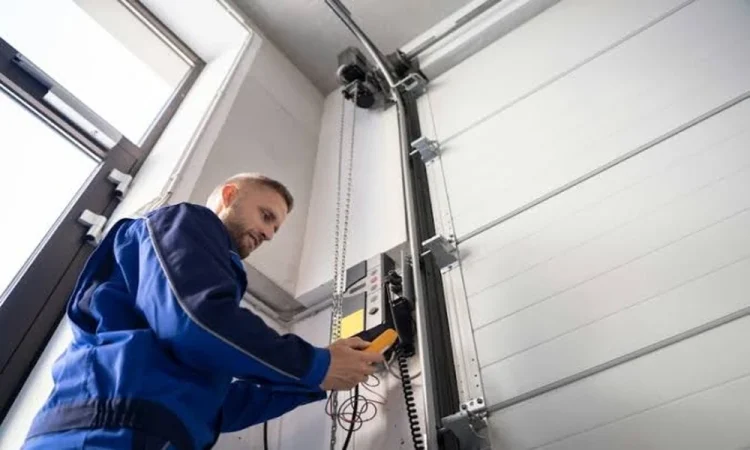
A garage door that suddenly refuses to budge can throw off even the most carefully planned day. That heavy slab of metal or wood is something we expect to simply work, so when it grinds to a halt, the frustration is real. What causes these all-too-common breakdowns? And more importantly, how can homeowners get things back on track quickly and safely?
Understanding Common Garage Door Malfunctions
A garage door doesn’t typically fail without warning. Early signs, like jerky movements, strange noises, or slow responses to the remote, often point to trouble ahead. Sometimes, the door hangs unevenly or gets stuck halfway. Other times, a sensor’s blinking light quietly signals that something is amiss.
Even minor malfunctions can pose big risks. A misaligned sensor could leave your car stranded in the driveway, while a snapped cable or spring may cause the door to slam shut unexpectedly. Ignoring these symptoms can lead to more costly repairs, not to mention safety hazards.
Comparing the Most Frequent Causes of Garage Door Issues
So, what’s most likely to go wrong?
Broken Cables vs. Broken Springs: Tension Failures Explained
Garage doors rely on a delicate balance of tension between cables and springs. Over time, stress and repeated cycles cause these parts to weaken. A broken cable might reveal itself as a crooked, stuck door, while a snapped spring often results in a door that won’t budge at all. Both repairs can be dangerous due to the high tension involved.
Bent or Broken Tracks: When Repair or Replacement Is Necessary
A garage door that grinds, squeaks, or stops moving smoothly may be suffering from bent or broken tracks. Minor bends might be fixable, but severe damage usually means replacement is required. Continuing to operate the door with track issues can further damage the rollers or the door itself.
Panel Damage: Repairing vs. Replacing Door Sections
A bump from a car or a misdirected hockey puck can leave unsightly dents or cracks in garage door panels. While minor damage may only require a patch or paint, more severe issues often call for replacing a full panel. This is often less expensive than replacing the entire door.
Safety Sensor Misalignment and Its Effects on Door Function
Modern garage doors include sensors that stop the door if something is in its path. If these become misaligned, the door may refuse to close, even when the path is clear. Realigning the sensors is sometimes a simple fix but, if ignored, can leave your garage open to the elements or compromise security.
Evaluating Repair Approaches for Each Malfunction
Not every garage door issue requires expert intervention, but some repairs pose serious risks.
DIY Fixes: When Are They Safe and Effective?
Homeowners can sometimes tackle sensor alignment or minor panel touch-ups. Cleaning tracks, tightening screws, and lubricating moving parts are also within reach for most people. But with anything involving cables, springs, or significant hardware, the risks outweigh the savings.
Professional Repairs: Expertise and Equipment Advantages
Experts come equipped with specialized tools and the knowledge to diagnose and fix problems safely. Attempting to fix a broken cable or spring without training can result in serious injury. That’s why professionals always recommend calling in a qualified garage door repair service for these jobs.
Risks of Ignoring or Improperly Repairing Malfunctions
Leaving a malfunction unaddressed, or fixing it incorrectly, can turn a simple repair into a costly replacement. Worse, it could cause injury or property damage if the door fails unexpectedly.
Tools and Techniques Used in Garage Door Repair
Garage door pros use a range of tools and methods to keep doors running smoothly.
– Cable and Spring Replacement: Specialized winding bars and clamps prevent accidental release of tension during replacement.
– Track Realignment and Panel Restoration: Levels, mallets, and replacement hardware ensure doors glide smoothly and look as good as new.
– Sensor Calibration and Testing: Technicians use precision tools and signal testers to guarantee sensors communicate clearly and safely.
Cost and Time Considerations in Garage Door Repairs
The scope of the malfunction directly impacts repair costs and timelines. Here’s how common repairs typically compare:
| Repair Type | Typical Cost Range | Average Time Required |
|——————|——————-|————————-|
| Sensor Alignment | $50 – $100 | 30-60 minutes |
| Cable/Spring | $150 – $350 | 1-2 hours |
| Track Repair | $125 – $300 | 1-2 hours |
| Panel Replacement| $200 – $800 | 1-3 hours |
Quick fixes like sensor realignment are fast and affordable, while extensive panel work or cable replacement can be more time-consuming and costly.
Preventative Measures to Minimize Garage Door Malfunctions
Keeping your garage door in top shape is largely a matter of routine care. Regularly cleaning tracks, testing sensors, and lubricating moving parts can stave off many common issues. Yearly inspections by a professional catch problems before they escalate. Upgrading to newer, smarter openers with better sensors and connectivity can also boost reliability.
Choosing the Right Repair Service
Not all repair companies are created equal. Look for licensed, insured providers with solid experience and positive reviews. Local companies often provide faster response times, while national chains may offer broader warranties or pricing options. Ultimately, trustworthiness and expertise matter most.
Case Studies: Success Stories and Lessons Learned
Consider the homeowner who caught a failing spring early thanks to routine maintenance, a simple fix saved them hundreds compared to a full replacement later. Another case saw a family stuck with an inoperable door after trying a DIY fix on a bent track, only to have a professional correct the issue swiftly and safely.
The lesson? Pay attention to early warning signs, don’t cut corners with repairs, and always know when to call in a garage door specialist. Prevention, careful observation, and trusted help are the keys to a trouble-free garage door for years to come.