

5 Reasons Moles Love Kansas City Lawns, Explained by a Kansas City Pest Control Team

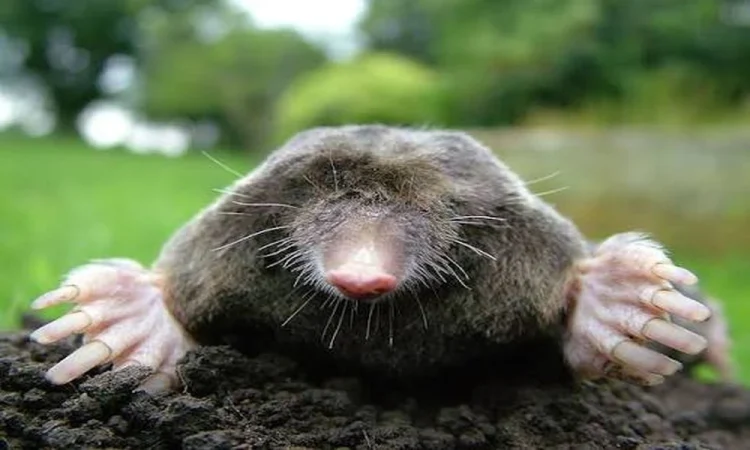
If it seems like every lawn on your block in Liberty, Gladstone, or Kearney has mole ridges, you are not imagining it. Lawns in this area offer moles almost everything they need: moist soil, plenty of earthworms, and open land nearby to move in from. That does not mean you have done something wrong. Often the best-kept lawns are the ones moles like most. Here are the five reasons Kansas City pest control technicians see so much mole activity around the metro, and what you can realistically do about it.
1. Why does moisture draw moles to the surface?
Moles follow the earthworms, and earthworms follow the moisture. Kansas City gets roughly 40 inches of precipitation in a typical year, much of it in spring and early summer, according to NOAA climate normals. When the topsoil stays damp, worms feed near the surface, and moles dig shallow feeding tunnels just under the turf to reach them. This is why new ridges often appear a day or two after a soaking rain.
Sprinkler systems keep that cycle going through the summer. A lawn watered a little every day stays moist near the surface, which keeps the worms, and the moles, close to the top.
2. Does Kansas City’s soil make digging easier?
In many neighborhoods, yes. Much of the Northland sits on silty, loess-derived soils that are deep and fairly easy to tunnel through when moist. Even where clay is heavier, the top few inches of a lawn that has been aerated and topdressed over the years tend to be loose and full of organic matter, which is exactly the layer moles work in.
3. Why do the healthiest lawns attract the most moles?
A well-fed, well-watered lawn supports more earthworms and soil insects, and that means more food for moles. Fertilizing, aerating, and leaving clippings on the grass all help the turf, and all of them help the soil life that moles eat. So a mole problem is often a sign of healthy soil, not neglect, even though it rarely feels that way.
4. Why do moles keep coming back after you get rid of one?
Nearby land keeps sending new ones. Many Northland subdivisions border pasture, woods, creeks, or parks that hold their own mole populations. When a mole is removed, its territory opens up, and a neighbor can move into the same tunnels. Moles also tend to run their main travel tunnels along edges such as fences, driveways, sidewalks, and foundations. That is where they often enter a yard, and where repeat activity tends to show up.
5. Why are there two mole seasons in Kansas City?
Kansas City’s long, mild springs and falls give moles two stretches of peak surface activity. During hot, dry spells in midsummer and hard freezes in winter, moles dig deeper to follow the worms, so the ridges seem to disappear. They never actually leave. Once cool, wet weather returns in spring and again in fall, the surface tunneling picks back up.
What can you do to make your lawn less inviting?
You cannot make a healthy lawn unattractive to moles without hurting the grass. You can stop making it easier for them. Tall fescue, the most common lawn grass in the Kansas City area, generally needs about an inch of water a week, rain included, according to university extension turf guidance. Watering deeply and less often, instead of a little every day, lets the top layer dry between waterings. When moles are already active, trapping them in the tunnels they are currently using is the most dependable fix.
How can Zip Zap Pest help with moles through Kansas City pest control?
Zip Zap Pest offers mole control for lawns across Kansas City and the Northland, and some of its year-round bundle plans include moles. ZipZap Termite & Pest Control is family-owned, based in Lawson, led by Board-Certified Entomologist Jeff Preece, and QualityPro certified. Its team can find the active travel tunnels along your property’s edges and set up a control plan for the spring and fall seasons.
Why are moles so common around Kansas City?
Moles thrive here because Kansas City lawns give them what they need: damp soil, lots of earthworms, ground that is easy to dig, and open land nearby to move in from. You cannot change the climate, but you can water more wisely and deal with active moles early in the spring and fall. If the ridges keep coming back season after season, a Kansas City pest control professional can help you find out where the moles are getting in and keep your lawn in better shape.


