
A house in southeast Texas lives a harder electrical life than most. The air stays heavy with moisture for much of the year, attics bake through summers that seem to run from April to October, and every few seasons a tropical system pushes in from the Gulf with wind, lightning and water. None of this shows up on the monthly bill, yet all of it slowly works on the wires, connections and devices hidden behind the drywall.
Electricians who work this region see the same climate-driven problems repeat from Katy to League City. Houston crews such as Right Pro Electrical Services LLC, a licensed contractor with more than twenty years in the area, spend nearly as much time explaining that weather-related wear as they do repairing it. The patterns are predictable enough that any homeowner can learn to read them early.
Moisture Never Takes a Day Off
Humidity is the slowest threat and the easiest one to ignore. Water vapor settles into outdoor receptacle boxes, meter bases, garage outlets and panels mounted on exterior walls. Over time it oxidizes copper terminals and breaker lugs. A corroded connection carries current with more resistance, and resistance turns into heat right at the point where a wire meets a screw.
Aluminum branch wiring, installed in some homes built in the mid-1960s and early 1970s, suffers even more in damp air because the metal oxidizes and expands differently from the copper devices it connects to. If your home falls in that window and nobody has checked the wiring type, it is worth finding out.
A few signs suggest moisture is already at work inside the system.
- A green or chalky white crust on outlet screws, wire ends or breaker terminals
- Ground fault outlets that trip after a heavy rain and reset fine a day later
- Rust streaks or bubbling paint on the panel door
- Outdoor covers that no longer close or seal properly
- Cover plates that feel warm even when nothing heavy is plugged in
Outdoor receptacles in wet locations are supposed to carry weatherproof “in use” covers, the deeper bubble style that stays closed while a cord is plugged in. Plenty of older Houston homes still have flat flip covers that let rain straight in.
Attics That Cook the Wiring
On a July afternoon, a Houston attic can climb well past 130 degrees. Much of the home’s wiring runs through that space, along with junction boxes, bathroom fan connections and recessed light housings. Modern cable insulation is rated to handle heat, but years of daily heat cycling still dry it out, stiffen it and shorten its life, especially where cables are bundled together or buried under deep insulation.
Older homes in neighborhoods like the Heights, Bellaire and West University face a sharper version of this problem. Knob and tube wiring was designed to shed heat into open air. When attic insulation gets blown over those runs, the wires lose that cooling path entirely. Cloth-wrapped cable from the following decades brings its own trouble, since its rubber insulation crumbles once heat has worked on it long enough.
Air conditioners add to the strain. A system that runs almost nonstop for months wears out capacitors and contactors, and a loose connection at the outdoor disconnect can overheat in summer sun. Lights that dim noticeably every time the compressor kicks on are telling you something about the connections or the service size.
Lightning, Switching and the Spikes in Between
Thunderstorms roll through the Houston area often enough that lightning becomes a real factor in how long electronics last. A direct strike is rare, but a nearby one can send a surge through utility lines, cable, or even the ground. Smaller spikes happen constantly as the utility switches loads and as power returns after an outage.
Today’s homes are packed with circuit boards. Refrigerators, washers, smart thermostats, variable speed HVAC equipment and garage door openers all carry electronics that a surge can quietly degrade. A whole-house surge protective device mounted at the panel absorbs the larger hits, while plug-in protectors handle what slips through at sensitive equipment. The two work as layers rather than substitutes. The National Electrical Code now requires surge protection for dwelling services, so homeowners replacing or upgrading a panel will usually see it included as part of the job.
Backup Power Done the Right Way
After a major storm, outages across the region can stretch for days. That reality has turned portable and standby generators into standard equipment for many Houston households. How they connect to the house matters far more than their wattage.
A portable generator should feed the home through a dedicated inlet box paired with either a transfer switch or a panel interlock. Plugging a generator into a dryer outlet with a homemade double male cord, a shortcut that still circulates online, can send power back out onto utility lines and endanger the crews trying to restore service. It can also destroy the generator the moment grid power returns.
Placement deserves equal care. Federal guidance on preparing for power outages calls for running generators outdoors and at least 20 feet away from doors, windows and vents, since carbon monoxide builds up quickly in garages and enclosed patios.
When Flood Water Has Touched the System
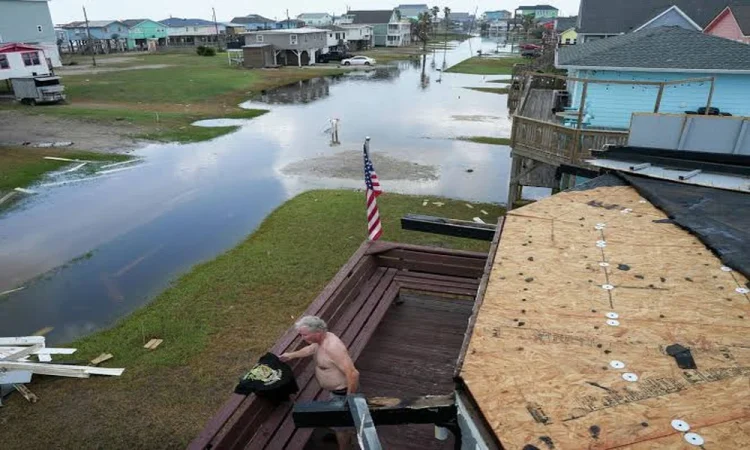
Houston knows flooding well, and water creates a very different electrical problem than humidity. Once breakers, outlets, switches or panels sit underwater, they generally need replacement rather than drying out. Mud and minerals stay inside the mechanisms, and corrosion keeps advancing for weeks after the water recedes.
The safest path usually follows a clear order.
- Leave the main breaker off and stay out of standing water near any electrical equipment.
- Have a licensed electrician assess every circuit that sat below the waterline.
- Replace submerged breakers, receptacles, ground fault devices and any damaged wiring.
- Arrange an inspection if the utility or city requires one before power is restored.
Skipping steps here is how small floods turn into house fires months later.
Old Panels Meeting New Demands
Climate stress gets worse when the system is already undersized. Many mid-century Houston houses still run on 100 amp service, and some still carry panels from brands with long histories of breakers that fail to trip, including Federal Pacific Stab-Lok and Zinsco. Add a pool pump, a second AC unit, a heat pump water heater or an electric vehicle charger, and an aging panel ends up working near its limit through the hottest months of the year. A proper load calculation shows whether the existing service can handle everything you plan to run.
Living With the Seasons
The most useful habit is simply matching your attention to the calendar. Late spring, before hurricane season opens in June, is a good time to test ground fault outlets, confirm the generator inlet works and look over outdoor covers. High summer is when warm breakers, flickering lights and buzzing panels tend to reveal themselves, so notice them rather than living with them. After any storm, walk the exterior and check the meter base and service drop for damage before assuming everything is fine. And when a rare hard freeze arrives, as it did across Texas in 2021, keep space heaters on their own circuits and off extension cords.
A home on the Gulf Coast will never escape its climate. What a homeowner can control is whether the wiring is built and maintained for the conditions it actually faces, and whether small warning signs get noticed while they are still small.