How to Choose the Right Lumber: A Practical Guide to Size, Grade, and Use

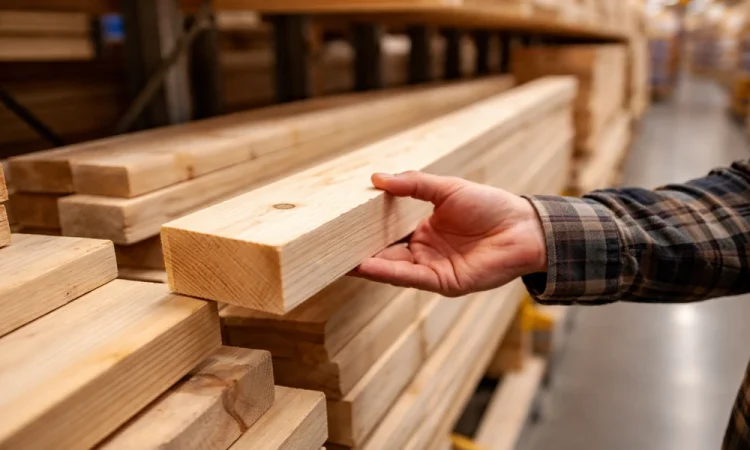
Choosing lumber can feel simple until you reach the store. Boards may look similar, yet their species, grades, sizes, and treatment labels tell different stories.
The best place to start is with one question: what does the wood need to do?
A floor joist, a bookshelf, and a garden fence have different demands. Once you understand the job, it becomes easier to narrow down your options without buying more material than you need.
Here is how to choose lumber with the finished project in mind.
Start With the Purpose of the Project
Decide whether strength, appearance, outdoor durability, or a combination of these matters most.
For framing, beams, joists, and other load-bearing parts, follow the project’s structural requirements. Species, grade, dimensions, span, and connections all affect performance. A smooth, attractive board is not automatically suitable for carrying a load.
For furniture, trim, and visible shelving, appearance matters more. You may prefer consistent grain, fewer knots, or a surface that takes paint well.
But decorative work still has practical demands. A shelf must support what you put on it, and a bench needs more than a nice finish.
Write down how the finished piece will be used before choosing the wood.
Match the Lumber to Its Exposure
Think beyond whether the project is indoors or outdoors. Ask whether the wood will stay dry, receive regular rain, touch soil, or sit where moisture can collect.
Pressure-treated lumber can be useful where protection against decay and wood-destroying insects is needed. However, treatment ratings differ. Wood intended for an above-ground application is not automatically suitable for ground contact.
Read the end tag and match the product to its intended use. Some demanding above-ground locations may also need a ground-contact-rated product.
Pressure treatment does not make wood waterproof or stop all swelling, cracking, and weathering. Drainage and installation details still matter.
For dry interior furniture or finish work, appropriately dried, untreated lumber is often the more practical choice. Naturally durable species may also suit some outdoor projects, but the grade and heartwood content deserve attention.
Understand Grade Before Judging Appearance
Lumber grade gives you information that appearance alone cannot.
Structural grades relate to strength characteristics. Appearance grades focus on features such as knots and visible defects, though the details depend on the species and grading system.
Do not assume that “clear” means stronger or that every knot makes a board unusable. What matters is whether the lumber meets the requirements of the job.
If a plan specifies a species and structural grade, match those requirements. Ask before substituting another product simply because it has the same dimensions.
Check Actual Dimensions and Required Support
The size printed on a lumber label may be a nominal size rather than the board’s exact measurement.
For example, a standard dry, surfaced 2×4 in the United States typically measures about 1½ by 3½ inches. Rough-sawn lumber and other products can differ.
Measure the material when fit matters. Thickness and width affect joints, finished dimensions, and how components line up.
For shelves, consider the weight they will hold and the distance between supports. For structural work, use the specified sizes and an appropriate design or span table rather than guessing.
Thicker wood is not always necessary, but undersized material can create problems that a good finish will not hide.
Choose a Species That Suits the Job
Different species offer different combinations of weight, hardness, grain, workability, and durability.
Pine and fir are common choices for general building and framing. Oak, maple, and other hardwoods are often used for furniture and interior work. Cedar and redwood may suit outdoor features when the material is appropriate for the exposure.
These are starting points, not fixed rules. The terms “hardwood” and “softwood” describe botanical groups, not a simple ranking of strength or hardness.
Consider the finish, too. If you plan to paint, paying extra for a dramatic grain pattern may offer little benefit. If you want a natural finish, the grain and color become more important.
Pay Attention to Moisture Condition
Wood can change shape as its moisture content changes.
Ask whether the lumber is sold green, air-dried, or kiln-dried. Kiln-dried wood still responds to humidity, and some pressure-treated lumber is sold wet after treatment.
For indoor furniture and precise joinery, use wood with a moisture condition appropriate for the space where it will live. A moisture meter can help assess this.
Store boards flat, supported, and protected from uneven moisture exposure. Follow project-specific guidance for conditioning the material before cutting and assembly.
Inspect Individual Boards Before Buying
Even boards from the same stack can vary.
Sight along the length and check the faces, edges, and ends. Look for:
- Bowing or sideways curvature.
- Twisting or cupping.
- Splits and damaged ends.
- Loose knots.
- Missing wood along an edge.
- Defects where you need a joint or fastener.
You do not need flawless boards for every project. A defect near one end may be easy to cut away if your parts are short.
Bring a cut list so you can judge how much usable material each board provides.
Match the Material to Your Tools and Budget
Consider how much preparation the lumber needs.
Rough lumber may require jointing, planing, and more setup than surfaced boards. If you do not have those tools, ready-to-use stock may be worth the higher purchase price.
Also budget for suitable fasteners, finishes, and a reasonable cutting allowance. With treated lumber, confirm that the hardware is compatible with the treatment.
Compare the cost of usable material and the work involved, rather than only the price of each board.
Bring a Clear Plan to the Lumber Yard
You do not need to know every wood species or grade before shopping. Bring your project dimensions, cut list, plans, and a description of where the wood will be used.
Those details help the supplier guide you toward suitable options. For load-bearing work, make sure the selection follows the required design rather than relying on a general product recommendation.
The right lumber is the material that fits the purpose, exposure, and demands of the finished project. Choosing with those needs in mind makes the rest of the build easier to plan.
This post was written by a professional at Anawalt Lumber. Anawalt Lumber is a family-owned lumber yard and hardware store serving Los Angeles for over a century. Known for quality lumber, contractor supplies, hardware, and a full-service nursery West La, Anawalt provides personalized service for homeowners and licensed contractors. From job pricing and bulk discounts to special-order materials with fast delivery, Anawalt is your trusted local building supply partner in Malibu, West LA, and Hollywood.