

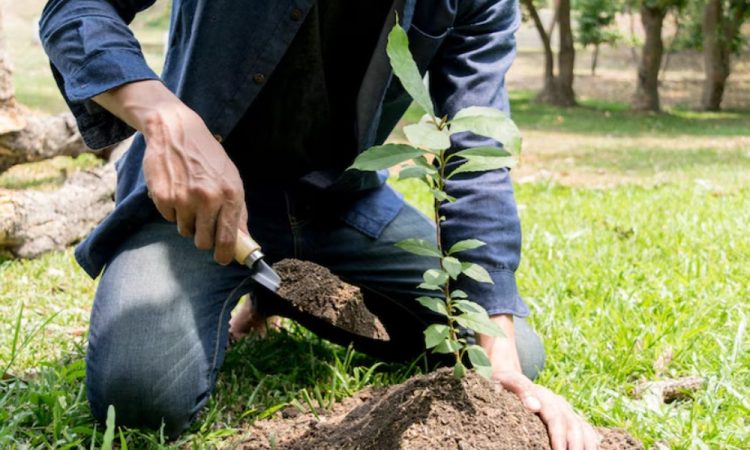
Most people think of spring when they picture planting trees. The weather feels fresh, everything is turning green again, and it just seems like the obvious time. But winter can actually be one of the best seasons to plant certain trees, especially in places with milder winters. It sounds a little backwards at first, I know. Still, winter planting often gives trees a calmer start and a better chance to settle in before spring growth begins. Trees and shrubs slow down during dormancy, and that lower top growth can help the plant focus more energy on root establishment.
One of the biggest advantages of winter planting is reduced stress. Cooler temperatures and shorter days mean the tree is not working as hard to support leaves, push new shoots, or lose water through heat and sun. That can make transplanting easier on the tree. Bare-root trees are also commonly planted during winter and very early spring, when they are dormant, and they are often less expensive and easier to handle than container-grown trees. The roots do need extra care, though. They should never be allowed to dry out before planting.
Winter planting is not perfect for every situation, though. Soil conditions matter a lot. If the ground is frozen, overly wet, or too compacted, planting can go badly fast. Good planting soil should be workable, not waterlogged, and the site should be checked before digging. Extension guidance also notes that successful winter planting depends on moisture, shallow frost conditions, and workable soil, not just the calendar date. In other words, a mild winter day can be great for planting, but a cold muddy mess is not.
Choosing the right tree species matters too. Deciduous trees often handle winter planting well because they have dropped their leaves and are fully dormant. Evergreens can be a little trickier, especially in colder or windier areas. Since they keep their needles or leaves through winter, they can still lose moisture even when the soil is cold or frozen. That can lead to winter burn or desiccation, which is one reason newly planted evergreens sometimes struggle more than people expect.
If you do plant in winter, a few basic steps can make a big difference. Dig a hole wide enough for the roots to spread naturally. Do not cram them into a narrow space. If you are planting bare-root stock, keep the roots damp until the tree goes into the ground, and plant as soon as possible after receiving it. After planting, add mulch around the base to help regulate soil temperature and hold moisture, but keep the mulch away from the trunk itself. Watering still matters in winter too, especially during dry spells. Trees cannot establish well if the soil stays bone dry, and winter watering is most effective when temperatures are above freezing and the soil is not frozen.
It also helps to know what to avoid. Do not plant when the roots will sit in soggy ground for days. Do not ignore the weather forecast if a hard freeze is about to hit right after planting. And do not assume winter means the tree needs no attention. That part catches people off guard sometimes. A newly planted tree still needs monitoring, even during dormancy. Dry roots, poor soil contact, and exposed planting sites can all cause problems before spring arrives.
Planting trees in winter can be a smart move when the timing, soil, and species are right. It gives roots time to begin settling in before the rush of spring growth. Maybe it is not the season people expect, but sometimes that is exactly why it works so well. With a little planning and a little patience, winter planting can set a tree up for a stronger start in the months ahead.
This post was written by a professional arborist at Tree Removal St Petersburg FL. Robert Miller is the owner of Arbor Wise Professional Tree Care, a locally owned and operated tree service company that offers superb lawn care by the most experienced Arborists. Arborwise Tree Services is a tree removal company that offers stump removal, tree pruning, stump grinding, fertilization, and tree restoration. We have an extraordinary lawn care industry notoriety covering the Pinellas county area.